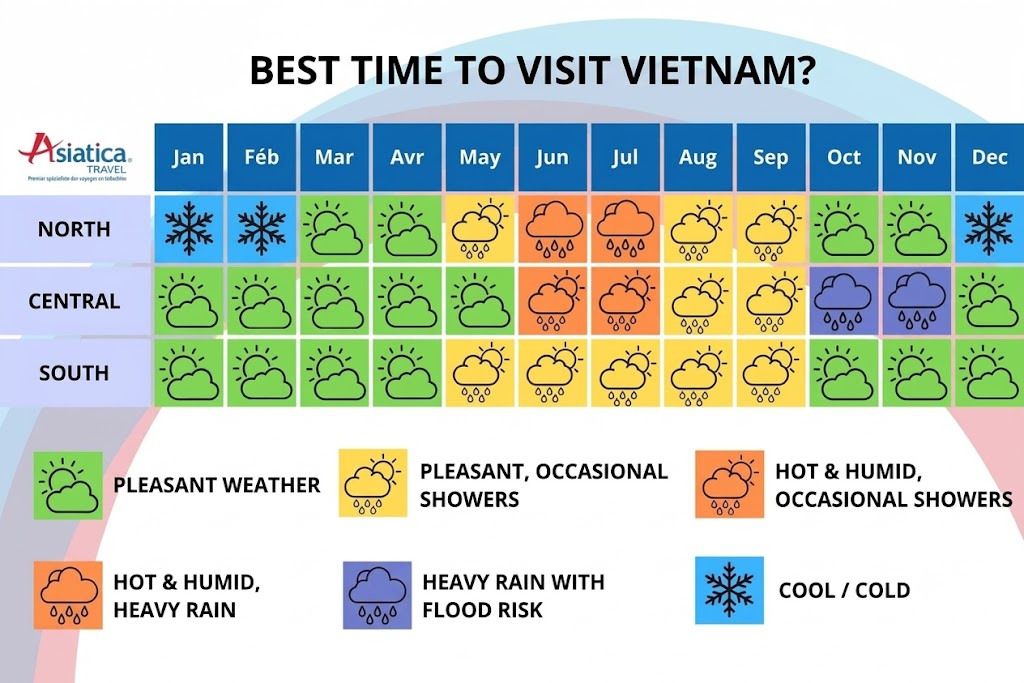
The best time to travel to Vietnam is generally between November and April, during the dry season, when the weather is cooler and rainfall is infrequent. However, due to its elongated shape and the influence of monsoons, Vietnam’s climate varies considerably from North to South, offering different optimal conditions depending on the region and your personal preferences.
This complete guide will help you decode the weather and seasons of each region (North, Central, South) so you can find the ideal moment for your journey. Whether you dream of exploring terraced rice fields, relaxing on sunny beaches, or discovering cultural treasures, we analyze every period to ensure you have an unforgettable stay.
1. When to travel to Vietnam?
1.1. Best time to visit Vietnam
The best period to visit Vietnam is generally between November and April, during the dry season. During these months, the weather is cooler and rain is rare, offering near-ideal conditions for exploring the North, Central, and South of the country. In particular, the periods from mid-March to April and October to November are the most favorable months.
For those looking to avoid tourist crowds, the period from May to October can be more suitable despite the heat and seasonal rains. Additionally, this is the rice season in the breathtaking terraced fields of the Northwest.
Every period of the year has its own unique charm. It is therefore recommended to plan your trip according to the specific region you wish to discover and the activities you plan to do, ensuring you get the most out of your stay in Vietnam.
1.2. Vietnam climate in brief
Vietnam's climate is characterized by its diversity due to its extended geography. It can be divided into three climate zones according to the Köppen classification:
-
Humid Subtropical in the North
-
Tropical Monsoon in the Centre
-
Tropical in the South
Seasons vary from region to region, but the country is generally warm and humid, with monsoons marked by heavy rainfall. Average temperatures fluctuate little, remaining mostly between 20°C - 30°C, though they can reach extremes during certain periods. In the North, the climate features cold, humid winters and hot, rainy summers. Central Vietnam is subject to typhoons during its rainy season from September to December. In contrast, Southern Vietnam enjoys a typical tropical climate with high temperatures year-round and a rainy season from May to November.
1.3. Vietnam weather month by month
-
January & February: Cold and dry in the North, while the Centre and South enjoy warm, pleasant weather.
-
March & April: Spring gradually sets in across the North with milder temperatures. Weather in the Centre and South remains consistently pleasant.
-
May: Marks the beginning of the rainy season; heat intensifies across the country, especially in the South.
-
June, July & August: The hottest months of the year with occasional heavy downpours.
-
September: Sees a decrease in rainfall. It remains warm but no longer sweltering.
-
October: Cool and dry with pleasant temperatures nationwide.
-
November: The North begins to cool down and the South stays pleasant, but the Centre experiences heavy rains, storms, and potential flooding.
-
December: Marks winter in the North. It gets very cold, but the cold weakens as you move southward.
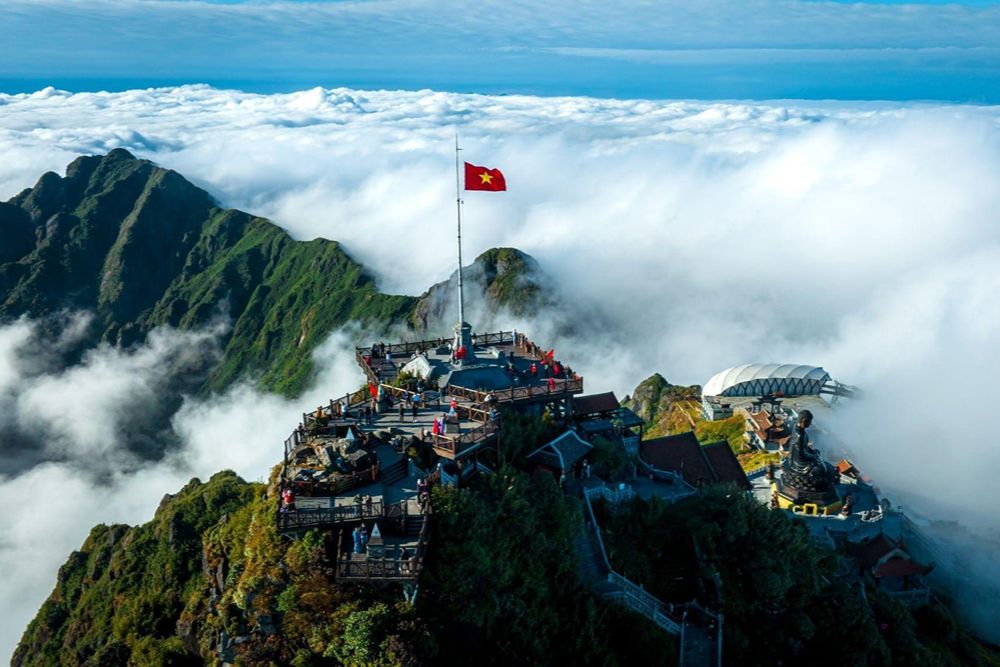
2. When to travel to Northern Vietnam?
2.1. Northern Vietnam climate at a glance
Northern Vietnam experiences four distinct seasons: spring, summer, autumn, and winter. While all four seasons exist, summer and winter are the most pronounced. Spring and autumn serve as short transitional periods between these two extremes.
-
December to February (Winter): The weather is dry with little rain. Temperatures hover around 15°C and can drop lower at night. In the Northwestern mountains, conditions are harsher, often with fog and occasional frost. The downside is that skies are frequently grey, misty, or drizzly - not always ideal for vacation photos.
-
March to May (Spring): Warm and pleasant weather with temperatures ranging between 20°C - 22°C. It is a gentle transition period.
-
June to August (Summer): Summer brings intense heat, with maximum temperatures reaching up to 37°C - 38°C. It is generally very hot and humid. This is also the main rainy season in the North, featuring heavy downpours, especially in July and August.
-
September to November (Autumn): Heat subsides and the weather gradually turns autumnal, cool, and very pleasant.
2.2. Best times to visit Northern Highlights
-
Halong Bay: The most favorable periods are March to June and September to October. Radiant sunshine provides ideal conditions to admire the bay's limestone karst landscapes and capture stunning photos.
-
Ninh Binh (Halong Bay on Land): Can be visited year-round. However, the best windows are between April and June (during its single annual rice season) and from September to November, when weather is milder - perfect for exploring karst landscapes and ancient temples.
2.3. When to see Northern Vietnam's terraced rice fields?
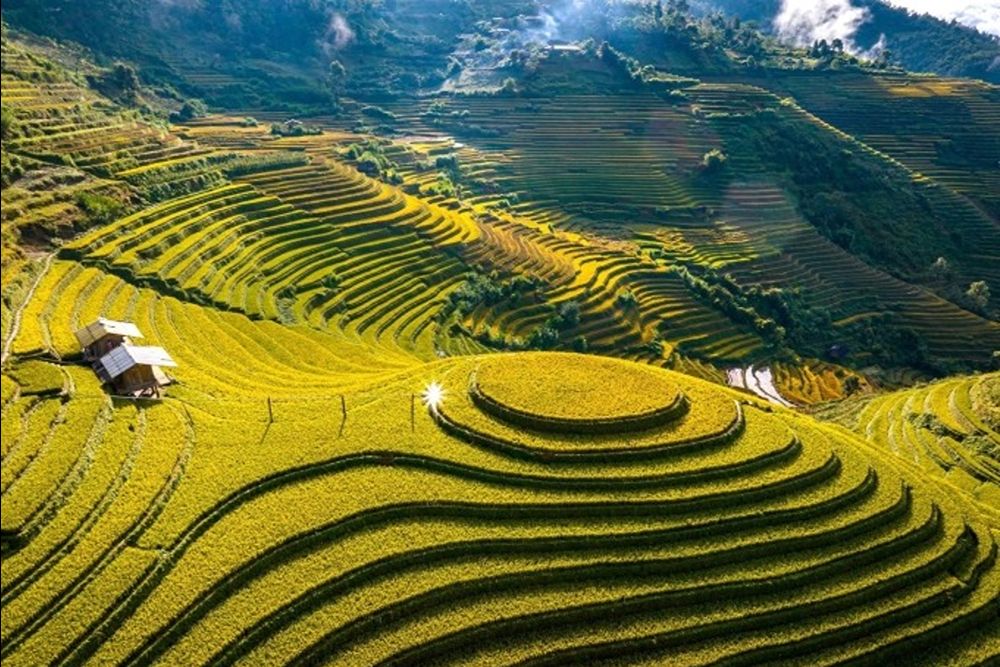
The terraced fields of Northern Vietnam offer breathtaking sights, especially during peak season. Top locations to admire these natural wonders include Sapa, Mu Cang Chai, and Hoang Su Phi (Ha Giang). Because there is only one rice crop per year, timing your visit carefully is essential:
-
Late May to Early June (Water Pouring Season): Fields filled with water resemble vast mirrors reflecting beautiful sky colors.
-
July to August (Growing Season): The rice grows rapidly, covering the mountains in a lush green carpet.
-
September to Early October (Harvest Season): Fields turn vibrant gold and are ready for harvest.
>>> Best times: To witness the most vivid colors of the terraced fields, travel between July and September. Beyond visual beauty, visiting during rice season offers a rich cultural glimpse into the traditional agricultural practices of local ethnic minority communities.
3. When to travel to Central Vietnam?
3.1. Central Vietnam climate at a glance
Central Vietnam’s climate shares similarities with the North, except temperatures are higher between June and July, and the risk of rain and flooding is far more intense between October and November. The year is split into two distinct seasons:
-
December to April (Best Period): Very little rain and pleasant temperatures ranging from 20°C - 25°C. It is warmer than the North but cooler than the South.
-
May to September (Dry & Hot): Very hot and dry, with temperatures reaching 30°C - 35°C. These are the hottest months of the year, making them ideal for beach vacations along the central coast.
-
October to November (Storm Season): Marked by frequent heavy rainfall, storms, and flood risks. Conditions improve rapidly starting in December.
3.2. Best times to visit Central Highlights
-
Hue: Best visited between January and April or August to September, when temperatures are moderate and rainfall is low. Avoid the rainy peak (November - December) due to heavy downpours, as well as the intense heat of May to August (unless you plan to visit nearby beaches).
-
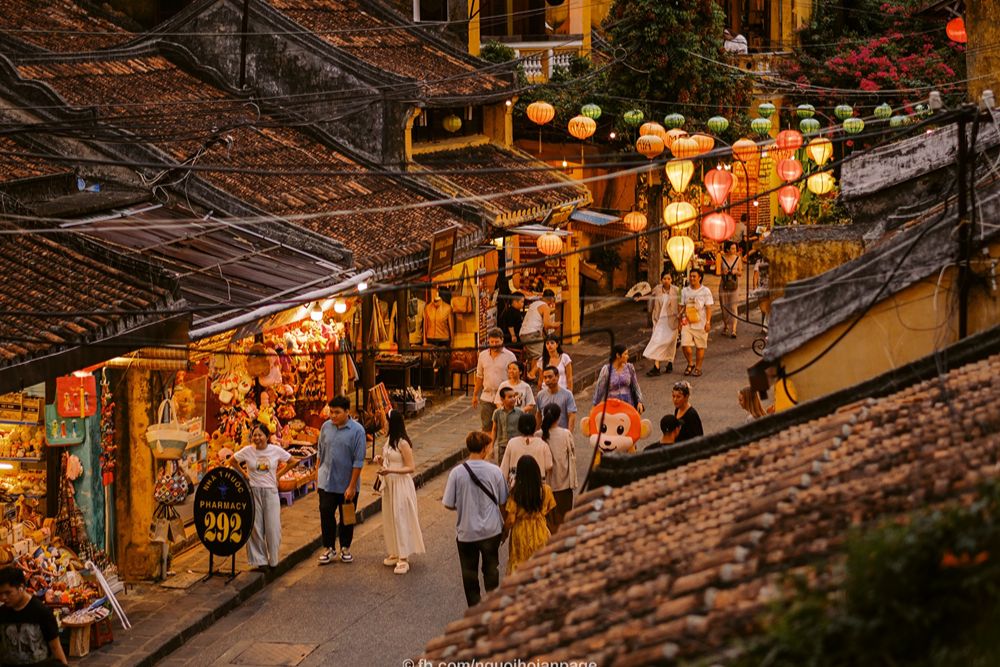
Hoi An: Best visited from April to August for dry, sunny weather - ideal for beaches and exploring the Ancient Town. September to October offers pleasant weather with fewer crowds and better rates before heavy rains start. Avoid November and December, which are the wettest months with frequent flood risks.
> If Hoi An is on your route, here is the best time to visit Hoi An, month by month!
4. When to travel to Southern Vietnam?
4.1. Southern Vietnam climate at a glance
With a tropical climate, Southern Vietnam experiences a perpetual summer. It is warm year-round, with temperatures hovering between 30°C - 35°C. The year is simply divided into a wet season and a dry season:
-
May to September (Rainy Season): Expect short downpours, mainly in the afternoon during July, August, and September. These showers are often refreshing against the tropical heat.
-
September to April (Dry Season): Dry, sunny, and warm. The absolute best time to visit is December to April, with February being the driest month of the year.
4.2. Best times to visit Southern Highlights
-
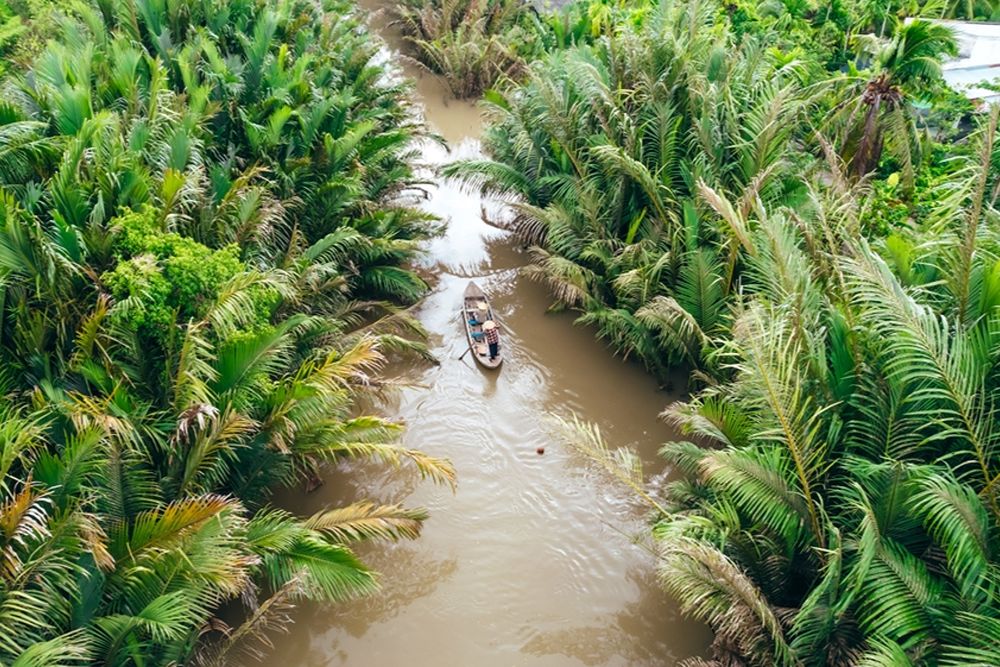
Mekong Delta: Best visited from October to May during the dry season. Clear skies facilitate exploring floating markets, traditional villages, and orchards. The rainy season brings high water levels that create stunning boat trips through Tra Su Cajuput Forest, Tram Chim, and Dong Thap Muoi, with fewer tourists around.
-
Phu Quoc Island: Best visited from November to March for sunny skies, dry weather, and calm turquoise waters. Avoid August to October due to heavy rain and potential tropical storms.
5. Vietnam calendar of holidays & festivities
-
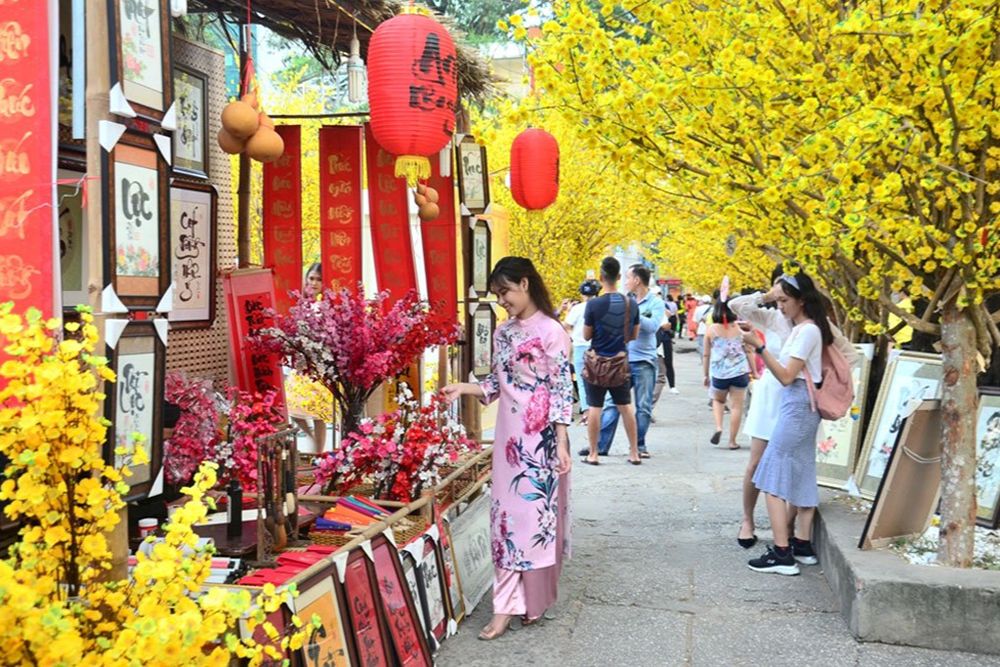
Tet Nguyen Dan (Lunar New Year): Celebrated late January or early February. Vietnam’s biggest festival, focused on family reunions and ancestral worship. Transportation and accommodation costs rise, and many businesses close for several days.
-
Hung Kings Temple Festival: Celebrated on the 10th day of the 3rd lunar month, honoring Vietnam’s legendary founding kings.
-
Reunification Day (April 30) & Labor Day (May 1): National holidays commemorating the end of the war in 1975. High domestic travel volume.
-
Hue Festival: A major cultural event (usually April to June) highlighting the heritage, art, and music of the Imperial City.
-
National Day (September 2): Commemorates Vietnam’s declaration of independence in 1945. Includes a 2-3 day public holiday.
-
Mid-Autumn Festival: Celebrated on the 15th day of the 8th lunar month (September/October), featuring mooncakes, lantern parades, and lion dances for children (not a public holiday).
6. What to pack for your trip to Vietnam?
6.1. Dry season essentials
-
Lightweight, breathable fabrics (cotton, linen) to absorb sweat and manage heat.
-
Short-sleeved shirts, tank tops, and comfortable shorts.
-
Sun protection: broad-brimmed hat, sunglasses, and high-SPF sunscreen.
6.2. Rainy season essentials
-
Quick-drying clothes and lightweight waterproof rain jackets.
-
Waterproof footwear or sturdy sandals suitable for puddles and mud.
-
A compact, sturdy umbrella for unexpected downpours.
Your Vietnam adventure awaits with Asiatica Travel!
As you can see, Vietnam offers an unparalleled richness of experiences no matter the season. Every region - from the majestic North and historic Centre to the tropical South - has its own unique charm and perfect moment to explore.
Don't let weather questions hold back your travel dreams. Let Asiatica Travel, your local tailor-made travel expert, turn this guide into an unforgettable journey. Our travel specialists know every corner of the country and will craft the ideal itinerary tailored to your schedule, preferences, and style.
Ready to experience Vietnam at the perfect time for you? Contact Asiatica Travel today and start planning the trip of a lifetime!