The Jim Thompson House Museum is a major cultural landmark in the heart of Bangkok, Thailand, located at 6 Kasem San 2 Alley. Built from six historic 19th-century teak structures transported from Ayutthaya and other regions, it was the home of James H. Thompson - the American architect and military officer who single-handedly revived the traditional Thai silk industry in 1948 and mysteriously vanished in Malaysia in 1967. Today, it operates as a premier museum housing a world-class collection of Asian antiquities.
1. Who was Jim Thompson and why is he famous?
Behind a quiet garden in the heart of Bangkok lies a house of teak and secrets, and Asiatica Travel invites you to step inside the world of Jim Thompson, the legendary American who gave Thai silk to the world.
Jim Thompson was born in the United States in 1906 and trained as an architect. Following the Second World War, he was posted to Bangkok as a military intelligence officer. He grew deeply enamored with Thailand's culture, people, and historic traditions. When his military service concluded, he chose to settle permanently in the country.
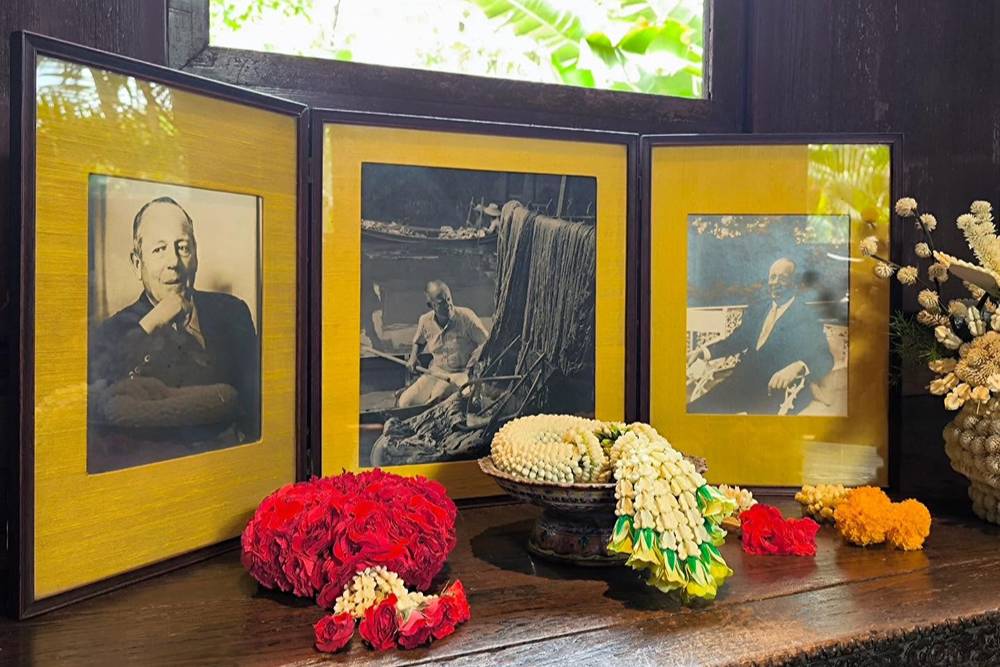
During his exploration, Thompson became utterly captivated by traditional Thai silk weaving - an artistic craft that had largely faded into obscurity due to declining popularity and changing global styles. Determined to revitalize the industry:
-
He modernized textile designs, improved color vibrancy, and enhanced fabric quality.
-
He founded the Thai Silk Company in 1948, transforming local hand-woven silk into a globally celebrated luxury export.
-
His promotional efforts played a pivotal role in shaping modern Thailand's international tourism and textile economy.
2. Architecture and construction of the historic teak house
Deeply passionate about history, antiquities, and traditional craftsmanship, Thompson desired to build a permanent residence using authentic Thai timber architecture rather than a modern Western home.
Between 1958 and 1959, he gathered six historic teakwood buildings from various regions across Thailand - including notable structures from the former royal capital of Ayutthaya. Dating back at least two centuries, these buildings were carefully dismantled piece by piece, transported to Bangkok along the canals, and reassembled on the banks of the Saen Saep Canal.
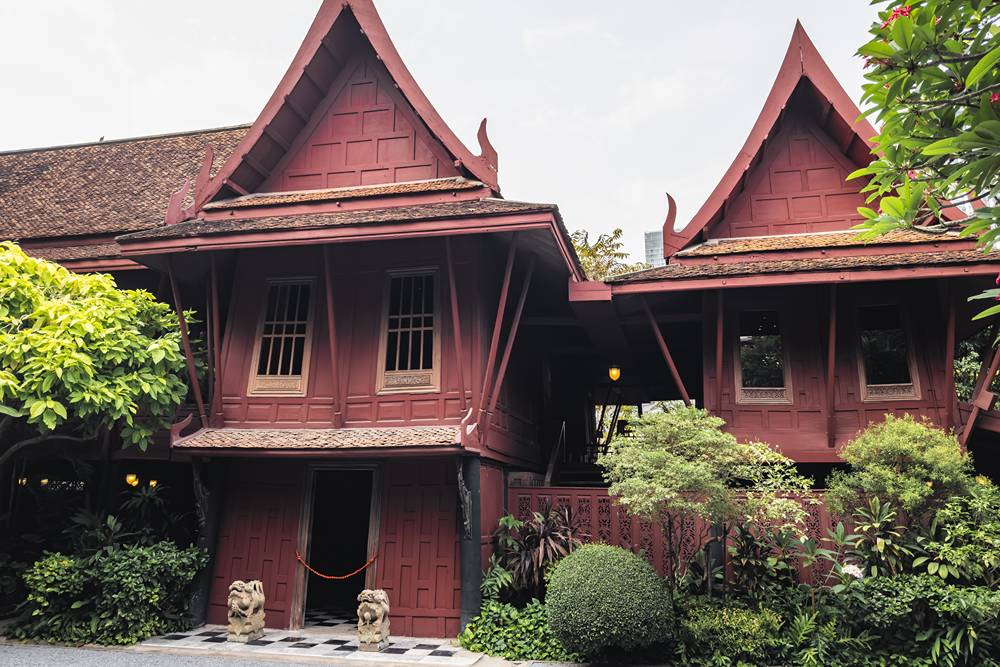
Key architectural highlights include:
-
Traditional Thai Style: The structures strictly follow classical Thai architectural layouts, elevated on stilts to protect against seasonal floods.
-
Customary rites: Traditional cultural and religious rituals were meticulously observed during the reassembly process to honor local architectural customs.
-
Distinctive red exterior: The exterior walls feature a striking traditional red preservative finish commonly found on heritage timber buildings across Thailand.
3. The world-class antique collection inside
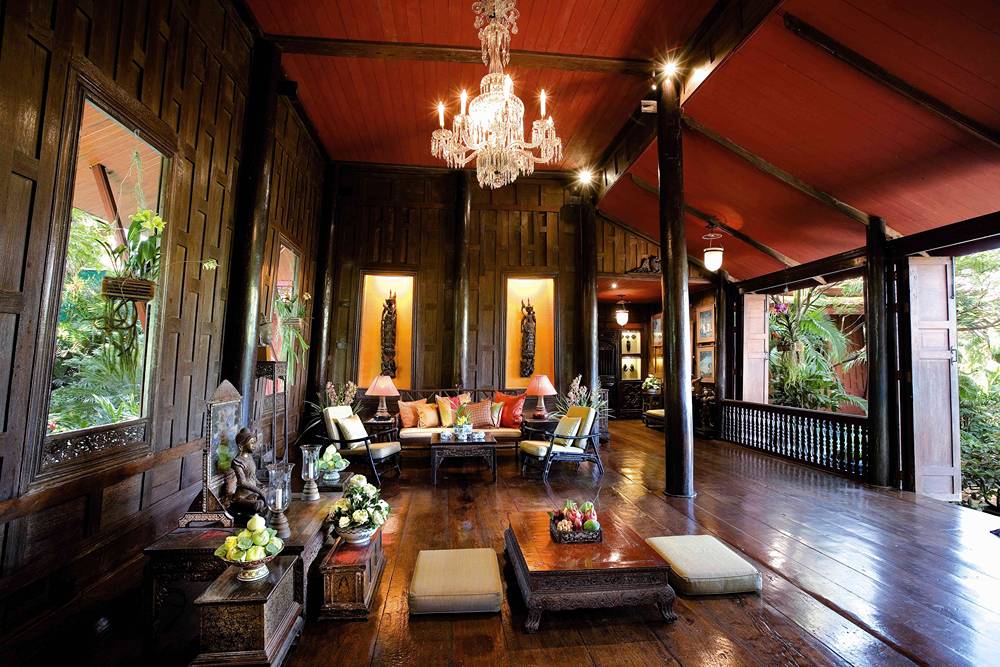
The main residence where Thompson lived is an architectural marvel beautifully adorned with a priceless collection of Asian art and antiquities gathered from across Southeast Asia and beyond.
Visitors exploring the rooms will encounter:
-
Chinese ceramics: Rare blue-and-white porcelain pieces dating back to the Ming dynasty.
-
European accents: Authentic Belgian glass doors and elegant Victorian chandeliers.
-
Regional sculpture: Ancient stone images from Thailand, carved statues from Cambodia, and traditional Burmese religious sculptures.
-
Royal artifacts: An antique dining table once utilized by King Rama V of Thailand.
4. The mysterious disappearance of Jim Thompson
The legacy of Jim Thompson is shrouded in enduring mystery. In March 1967, while vacationing in the Cameron Highlands of Malaysia, Thompson went out for an afternoon walk and mysteriously vanished without a trace. Despite massive international search operations, no definitive evidence or explanation of his fate was ever discovered.
In accordance with his wishes and legal arrangements, his treasured home was preserved and transformed into a public museum, allowing generations of travelers to experience his visionary lifestyle.
5. Frequently asked questions (FAQs)
Where is the Jim Thompson House Museum located?
The museum is located at 6 Kasem San 2 Alley, Pathum Wan, Bangkok, easily accessible near the National Stadium BTS Skytrain station.
What are the opening hours of the museum?
The museum is generally open daily from 10:00 AM to 5:00 PM, with guided tours mandatory for interior visits.
How can I book a visit?
While independent bookings are available, planning your excursion through Asiatica Travel ensures a seamless cultural itinerary, expert local narration, and hassle-free private transportation.
Every room holds a story, and every story deserves a listener. Book your visit with Asiatica Travel today, walk through the legacy of a legend, and let the mystery of Jim Thompson unfold before you!